CME
Abdul El-Sayed: US's First Muslim Senator
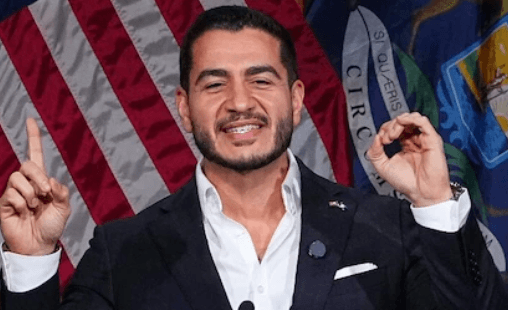
Context: Democrat Abdul El-Sayed reportedly won Michigan’s Senate race in the 2026 US midterm elections, becoming the first Muslim elected to the US Senate.
- His victory has attracted attention in India because of his wife’s ancestral connection to Bhatkal, Karnataka.

About Abdul El-Sayed: US’s First Muslim Senator
Who he is?
- An American physician, public health expert and Democratic politician of Egyptian descent, known for his work in public health, healthcare reform and progressive politics.
Background:
- Education: Studied at the University of Michigan, pursued higher education at the University of Oxford, and earned a medical degree from Columbia University.
- Professional Career: Served as Detroit’s Health Director, focusing on public health, healthcare accessibility, disease prevention and improving health outcomes in underserved communities.
- Connection to India: His wife, Sarah Jukaku, is a psychiatrist whose family originates from Bhatkal in Karnataka’s Uttara Kannada district.
- Family’s Political Legacy: Sarah’s grandfather, J.H. Shamsuddin Jukaku, was a former Mysore State legislator who served as Deputy Minister for Finance and Electricity.
- Historic Electoral Achievement: According to the supplied report, El-Sayed defeated Republican Mike Rogers in Michigan’s 2026 Senate election, becoming the first Muslim US Senator.
Significance:
- His reported election marks a milestone for Muslim representation in American politics, reflecting growing diversity within the country’s democratic institutions.
- His family ties to Karnataka highlight the social and cultural links connecting Indian-origin communities with American public life.
- His political journey illustrates the increasing participation of minority and immigrant-background communities in US governance and national politics.
Relevance in UPSC Examination Syllabus:
| Paper | Relevant Topics |
| GS Paper II – International Relations | India-US Relations, Indian Diaspora, Global Political Developments |
| GS Paper II – Social Justice | Minority Representation, Social Inclusion, Equal Political Participation |
| GS Paper IV – Ethics | Diversity and Inclusion, Equality, Democratic Values, Public Service Leadership |