
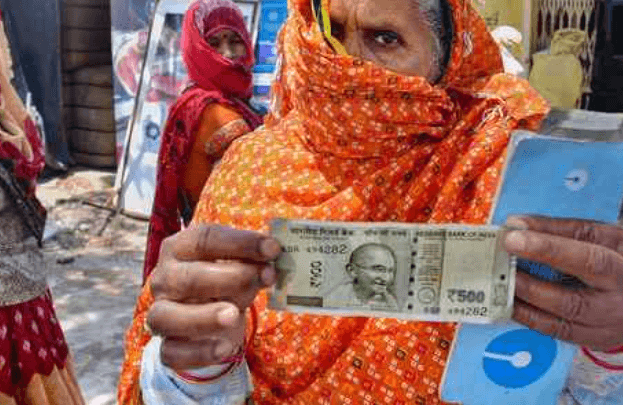
Cash-Transfer Schemes & Their Fiscal Cost
Context: Projected state spending of ₹1.68 lakh crore on unconditional cash transfers for women in 2025–26 has raised concerns over the fiscal sustainability of electoral freebies.
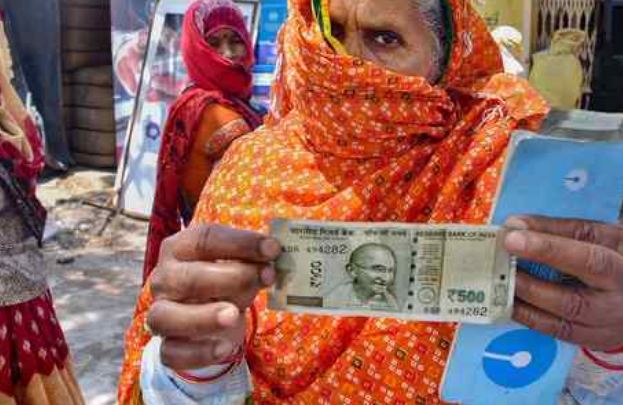
About Cash-Transfer Schemes & Their Fiscal Cost:
What It Is?
- Direct monetary disbursements—either unconditional or conditional—transferred directly into beneficiaries’ bank accounts by Central or State governments to provide immediate income support, alleviate poverty, and supplement household consumption without intermediaries.
Key Statistics on Cash Transfers and Subsidies in India:
- Women-Centric Cash Transfers: As per PRS Legislative Research, 12 States are projected to spend ₹1.68 lakh crore on unconditional cash transfers for women in 2025–26.
- Rising GDP Share: Expenditure on women’s cash transfers rose from below 0.2% to 0.5% of GDP within two years.
- Growing State Subsidies: As per the RBI, State subsidy expenditure more than doubled from ₹1.87 lakh crore in 2018–19 to ₹4.26 lakh crore in 2025–26.
- Opportunity Cost: Tamil Nadu’s ₹1,000 crore scholarship allocation for 2026–27 contrasts with the ₹1,080 crore annual cost of filling around 9,000 vacant faculty positions.
Arguments Favouring Cash-Transfer Schemes:
- Immediate Poverty Alleviation & Consumption Cushion: Direct cash provides vulnerable households with immediate liquidity to meet urgent food, healthcare, and daily subsistence needs during inflationary or income shocks.
E.g., Direct Benefit Transfers (DBT) during economic downturns helping low-income rural households smooth essential consumption without falling into informal debt traps.
- Empowerment & Intra-Household Financial Agency: Transferring funds directly into women’s bank accounts enhances their financial autonomy, bargaining power, and control over household expenditure.
E.g., State-level monthly women’s basic income schemes enabling women to prioritize spending on children’s nutrition, schooling, and personal healthcare.
- Elimination of Middlemen & Leakage Reduction: Powered by the JAM Trinity (Jan Dhan–Aadhaar–Mobile), cash transfers bypass multi-layered bureaucratic distribution channels, curbing pilferage and ghost beneficiaries.
E.g., PM-KISAN transferring ₹6,000 annually directly to farmers’ accounts without intermediary commissions or physical grain diversion.
- Consumer Choice & Flexibility: Unlike rigid in-kind subsidies, cash allows families to allocate funds according to their most pressing, context-specific household priorities.
E.g., Rural families using unconditional cash to purchase seeds, repay high-interest micro-loans, or pay for emergency medical transport.
- Multiplier Effect on Local Rural Demand: High marginal propensity to consume among low-income recipients stimulates demand for local goods and services, supporting rural micro-enterprises.
Arguments Against Cash-Transfer Schemes:
- Severe Fiscal Strain & Crowding Out of Capital Expenditure: Perpetual, politically irreversible cash commitments bloat revenue deficits and force governments to cut vital long-term investments in health, education, and infrastructure.
E.g., States spending ₹1.68 trillion on cash transfers while leaving thousands of permanent college teaching posts vacant or increasing public borrowing.
- Lack of Ex-Ante Appraisal & Electoral Clientelism: Announced hastily in election manifestos without baseline needs assessments or cost-benefit studies, schemes often suffer from poor design and populist target-chasing.
E.g., Schemes rolled out immediately before or after elections without evaluating alternative interventions or long-term 10-year inflation-adjusted fiscal liabilities.
- Failure to Build Long-Term Human Capabilities: Cash alone cannot substitute for quality public goods; without functional schools, hospitals, and jobs, transfers treat symptoms rather than root causes of deprivation.
E.g., Funding student cash scholarships while students attend government colleges lacking permanent faculty and laboratory infrastructure.
- Targeting Dilemmas (Inclusion vs. Exclusion Errors): Universal designs waste scarce funds on non-needy households, whereas strict targeting excludes the poorest citizens lacking formal documentation.
E.g., Marginalized and destitute households dropping out of transfer coverage due to missing bank accounts, unlinked Aadhaar credentials, or outdated ration cards.
- Distortion of Intra-Household Equity & Local Inflation: Cash deposited in a recipient’s account may still be appropriated by dominant family members, while sudden cash injections without supply-side expansion can push up local prices.
Way Ahead:
- Mandate a Published “Social DPR” Before Legislation: Require every new cash-transfer or subsidy proposal above a fiscal threshold—including poll promises—to undergo an ex-ante Detailed Project Report evaluating baseline needs, cost-benefit ratios, and alternatives before budget approval.
- Model 10-Year Fiscal Liabilities & Sunset Clauses: Project decade-long cost escalations factoring in inflation and demographic growth, and embed statutory sunset clauses, mandatory periodic reviews, or individual graduation timelines.
- Design Demographic-Sensitive & Indexed Transfers: Tailor transfer amounts to vulnerable sub-groups (such as widows, destitute households, and persons with disabilities) and link payouts to a realistic cost-of-living index.
- Minimize Exclusion Errors Through Last-Mile Facilitation: Track coverage rates per 100 target households and run proactive onboarding drives so the poorest citizens are not excluded due to banking or documentation hurdles.
- Balance Cash Transfers with Merit-Good Investments: Ring-fence capital budgets and core social-sector outlays (hospitals, permanent teachers, skilling) so short-term cash transfers complement rather than cannibalize human-capital creation.
Conclusion:
While direct cash transfers offer rapid financial relief and reduce delivery leakages, unchecked expansion driven by electoral competition threatens state fiscal health and crowds out essential public investments. Subjecting welfare proposals to rigorous ex-ante social DPRs, real-time monitoring, and statutory sunset clauses will ensure accountability and fiscal prudence. Ultimately, sustainable social justice requires pairing targeted income support with robust public infrastructure in education, healthcare, and livelihoods.
“Direct cash transfers have the potential to improve the economic lives of the poor by transferring benefits to households quickly and directly. Achieving these benefits requires thoughtful design of schemes, and careful, rigorous analysis of ongoing programmes is an important input to the design process.” With suitable examples, illustrate.



