

Prelims
Food Colouring
Context: The Uttar Pradesh Food Safety and Drug Administration (FSDA) issued comprehensive regulatory guidelines cracking down on the widespread use of prohibited industrial chemical dyes in street foods.

About Food Colouring:
What it is?
- Any dye, pigment, or chemical substance added to food or drink to impart, enhance, or restore its visual color and aesthetic appeal. They are broadly classified into natural colors (derived from plant/mineral sources like beetroot, turmeric, and paprika extract) and synthetic food colors (chemically synthesized, food-grade additives permitted only in specific categories under strict dosage thresholds).
Chemicals Associated:
- Prohibited Toxic Industrial Dyes (Illegal Adulterants): Rhodamine-B, Metanil Yellow, Malachite Green, Sudan dyes (I–IV), Butter Yellow, Auramine, and Orange II.
- Permitted Synthetic Food Colours (Within Strict Thresholds): Tartrazine, Sunset Yellow FCF, Carmoisine, Ponceau 4R, Erythrosine, Brilliant Blue FCF, Fast Green FCF, and Indigo Carmine.
Laws and Regulatory Framework Governing Food Colours:
- Food Safety and Standards Act (FSSA), 2006: Primary statutory law penalizing the manufacture, sale, and distribution of adulterated food.
- FSS (Food Products Standards and Food Additives) Regulations, 2011: Prescribes category-specific lists of permitted colors, Good Manufacturing Practices (GMP), and a general maximum cap of 100 mg/kg (up to 200 mg/kg in specific canned fruits).
Key Features of Food Colouring Regulations:
- Ban on Cooked Foods: Prohibits synthetic food colours in everyday cooked foods, including dal, biryani, curries, fries, bread and chutneys.
- Protection of Unprocessed Foods: Bans added artificial colours in milk, paneer, fruits, vegetables, juices, spices, pulses, honey and infant formula.
- Category-Specific Limits: Permits synthetic colours only in specified food categories, generally subject to a 100 mg/kg ceiling, without extending approval to other foods.
- Mandatory Measurement and Traceability: Requires precision digital weighing, procurement from licensed manufacturers, valid batch identification and purchase invoices to ensure compliance.
Health and Public Safety Implications:
- Cancer and Organ Toxicity Risks: Non-permitted dyes such as Rhodamine-B and Sudan dyes pose potential carcinogenic and toxic risks, including liver and kidney damage.
- Allergic and Respiratory Reactions: Certain permitted dyes, including Tartrazine and Carmoisine, may trigger hives, swelling and asthma-related reactions in susceptible individuals.
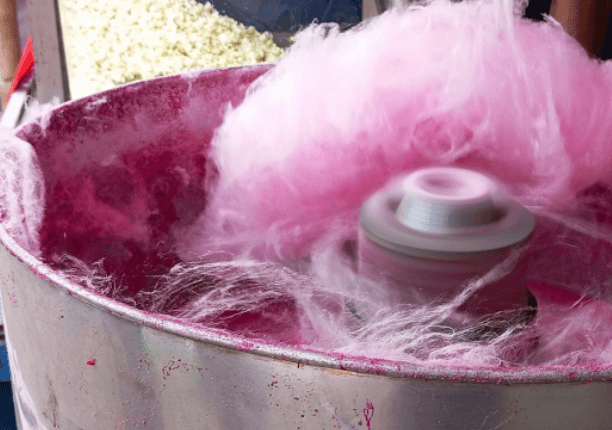
- Risks to Children and Street Food Consumers: Unregulated coloured snacks, cotton candy and ice lollies may expose children to unsafe dyes, potentially affecting health and behaviour.



