CME
Just Rights for Children Alliance v. S. Harish (2026) Case
Context: The Supreme Court’s observations in Just Rights for Children Alliance v. S. Harish (2026) have renewed discussions on children’s right to internet access, emphasising the need to balance digital freedom with online safety through age-appropriate safeguards.

About Just Rights for Children Alliance v. S. Harish (2026) Case:
What it is?
- A Supreme Court case concerning children’s online safety and digital rights, highlighting the importance of protecting minors from harmful online content without unnecessarily restricting their access to information, education and self-expression.
Key Observations and Judgment Outcome:
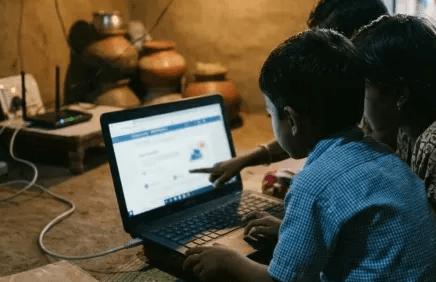
- Internet Access as a Fundamental Right: The Court recognised the importance of internet access for children, linking digital participation with freedom of speech, expression and access to knowledge under Article 19(1)(a).
- Balancing Freedom and Safety: Emphasised that online safety and individual freedom are complementary, and protecting children should not automatically mean restricting their digital rights.
- Caution Against Blanket Restrictions: Highlighted the need for proportionate and context-specific safeguards, rather than blindly adopting international models of social media restrictions.
- Age-Appropriate Digital Protection: Stressed the importance of responsible content regulation and preventive safeguards to protect children from harmful material while preserving their learning opportunities.
Significance:
- Reinforces access to information, education and self-expression, recognising the internet’s importance in children’s intellectual and social development.
- Encourages proportionate online regulation, ensuring that child protection measures respect constitutional freedoms rather than impose excessive restrictions.
- Highlights the role of parents, schools, governments and digital platforms in preventing cyberbullying, privacy violations and exposure to harmful content.
Relevance in UPSC Examination Syllabus:
| Paper | Relevant Topics |
| GS Paper II – Polity | Fundamental Rights, Articles 19 and 21, Judicial Interpretation, Reasonable Restrictions |
| GS Paper II – Social Justice | Child Rights, Protection of Vulnerable Sections, Digital Inclusion, Child Welfare |
| GS Paper IV – Ethics | Freedom versus Safety, Individual Liberty, State Responsibility, Ethical Technology Governance |