Prelims
The End-of-Life Vehicles (ELV) Amendment Rules, 2026
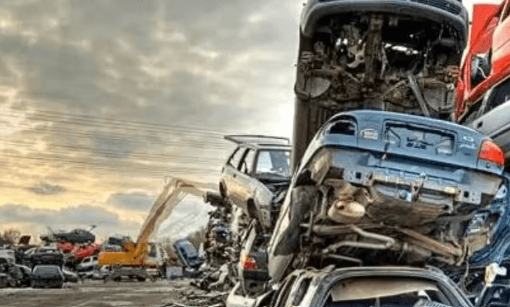
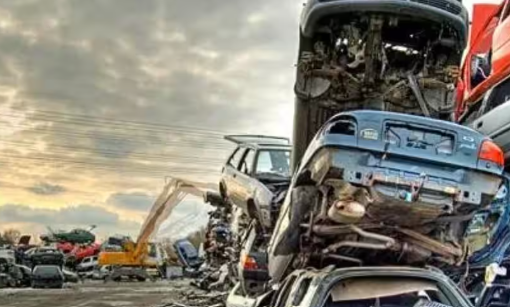
Context: The MoEFCC notified the Environment Protection (End-of-Life Vehicles) Amendment Rules, 2026, clarifying that closure-linked Extended Producer Responsibility (EPR) liabilities apply only to automakers permanently ceasing operations.
About The End-of-Life Vehicles (ELV) Amendment Rules, 2026:
What it is?
- A statutory amendment notified under the Environment (Protection) Act, 1986 modifying the principal Environment Protection (End-of-Life Vehicles) Rules, 2025 (which took effect on April 1, 2025) to recalibrate Extended Producer Responsibility (EPR) compliance and steel-scrap accounting for automobile manufacturers.
Aim: To reduce unnecessary financial burdens on active vehicle manufacturers, ensure genuine vehicle scrapping through authorised facilities and streamline Extended Producer Responsibility (EPR) enforcement under the CPCB.
Key Features of the Rules (2026 Amendments):
- Closure-Linked EPR Liability (Rule 4(6)): Restricts the assessment of unfulfilled EPR liabilities to producers permanently ceasing operations, exempting active manufacturers from upfront financial provisioning for such liabilities.
- Historical Reporting Requirements: Exiting producers must submit vehicle sales data for the preceding 15 years for transport vehicles and 20 years for non-transport vehicles, enabling CPCB to determine final EPR liabilities.
- RVSF-Only Steel Scrap Eligibility (Rule 9(2)): Allows only steel recovered from end-of-life vehicles scrapped at Registered Vehicle Scrapping Facilities (RVSFs) to qualify for EPR certificates, excluding other automobile-sector steel scrap.
- Annual EPR Certificate Mechanism: Active manufacturers must continue meeting annual steel-scrapping targets linked to historical vehicle sales by purchasing EPR certificates generated by RVSFs through the centralised CPCB portal.
- Removal of Insurer Compliance Mandates: Drops draft provisions requiring insurance companies to channel total-loss vehicles to registered scrapping facilities under the regulatory supervision of IRDAI.
- Removal of Mandatory Recycled Steel Content: Excludes the proposed requirement for manufacturers to incorporate a minimum percentage of recycled steel in new vehicles, providing greater manufacturing flexibility.
- Exclusion of Multi-Material EPR Expansion: Retains the steel-focused EPR framework without extending it to tyres, batteries, electronic waste, plastics and used oil, which remain governed by separate waste management rules.
Significance:
- Clarifies Ind AS 37, relieving active automakers of closure-linked financial provisioning while retaining annual EPR obligations.
- Restricts EPR credits to genuinely scrapped vehicles, preventing misuse of industrial steel scrap and promoting formal, environmentally sound vehicle recycling.