Prelims
The Multi-Agency Centre (MAC)
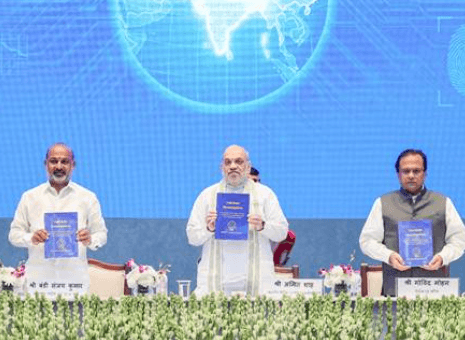
Context: Union Home Minister announced at the NIA Anti-Terror Conference 2026 that the Multi-Agency Centre (MAC) now monitors cyber threats, narcotics, organised crime and radicalisation hotspots.

About The Multi-Agency Centre (MAC):
What it is?
- India’s nodal, centralised counter-terrorism intelligence-sharing platform and real-time security grid, originally conceptualised in 2001 in the aftermath of the 1999 Kargil War (following the Kargil Review Committee recommendations) and strengthened into a 24×7 operational network in 2009 after the 2008 Mumbai terror attacks.
Organisation: Functions under the Intelligence Bureau (IB), Ministry of Home Affairs, connecting 28 security and intelligence agencies, including RAW, NIA, CAPFs and State Police through SMACs.
Aim: To strengthen real-time intelligence sharing between Central and State agencies, enabling early detection, analysis and prevention of terrorism and emerging security threats.
Key Functions of the Multi-Agency Centre (MAC):
- Real-Time Intelligence Sharing: Operates a 24×7 secure intelligence network connecting 28 security agencies with State Police and district-level units for faster information exchange.
- Tracking Emerging Security Threats: Monitors terrorism, Left-Wing Extremism, cyber threats, narco-terrorism, organised crime and radicalisation hotspots, strengthening India’s internal security preparedness.
- AI-Powered Predictive Analytics: Uses Artificial Intelligence (AI), Machine Learning (ML) and GIS to identify threat hotspots, analyse patterns and predict potential security risks.
- Grassroots Police Integration: Enables two-way intelligence sharing between local police stations, State Police and central agencies, improving coordination and counter-terrorism operations.
- Database Integration & Threat Prevention: Integrates security databases and intelligence records to identify terror financing networks, track suspicious activities and prevent potential attacks.
Significance:
- Bridges Centre–State intelligence gaps through unified information sharing, enabling faster responses by district police, security agencies and Anti-Terrorism Squads.
- Strengthens India’s ability to counter cyber threats, digital radicalisation, drone-based attacks and cross-border terror financing through early detection and coordinated action.