Prelims
The Shenzhen Declaration
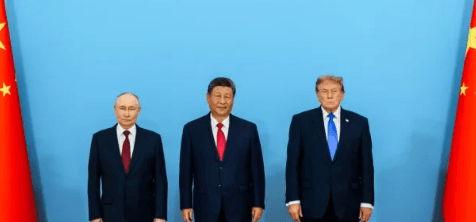
Context: The US, China and Russia issued the four-point Shenzhen Declaration, following their historic trilateral summit during the 33rd APEC Summit in China, focusing on global peace and strategic stability.

About The Shenzhen Declaration:
What it is:
- A non-binding, four-point joint political peace statement issued after the first-ever trilateral summit among the heads of state of the United States, China, and Russia—setting out shared commitments on United Nations reform, global energy stability, international legal jurisdiction, and nuclear risk reduction.
Nations Involved: The United States, China, and Russia.
Aim: To establish a high-level diplomatic opening among Washington, Beijing, and Moscow to prevent strategic miscalculation, curb nuclear proliferation, stabilize global energy supplies, and manage great-power rivalry in a post-New START multipolar order.
Key Features of the Shenzhen Declaration:
- Nuclear Risk Reduction & Non-Proliferation: Reaffirms the core maxim that “a nuclear war cannot be won and must never be fought” and commits the three powers to conducting structured dialogue on reducing nuclear risks and preventing nuclear weapons proliferation (though it sets no binding warhead caps or timelines).
- Global Energy Supply Stability: Pledges to increase the production and supply of refined petroleum products and maintain stable, uninterrupted energy flows for the benefit of all nations amid disruptions in West Asia.
- United Nations Reform: Commits the three UNSC permanent members to reforming the United Nations so it can respond more effectively to contemporary global threats and uphold its foundational mandate of international peace and security.
- State Consent & Sovereign Immunity: Recognizes the primacy of state consent and respect for the immunities of state officials in international law, asserting that bodies such as the International Criminal Court (ICC) must not overstep or abuse their jurisdiction.
Significance:
- Following New START’s expiry on February 5, 2026, the declaration offers a diplomatic platform for nuclear risk reduction despite lacking binding arms-control measures.
- Brings China into trilateral nuclear discussions with the US and Russia, potentially strengthening strategic stability amid Beijing’s expanding nuclear arsenal.