Prelims
Exercise Sea Vigil-26
Context: The fifth edition of the Pan-India Coastal Defence Exercise ‘Sea Vigil-26’ is being held, with the Indian Navy serving as the lead coordinating agency.

About Exercise Sea Vigil-26:
What it is?
- India’s largest biennial, national-level coastal defence and maritime security exercise, designed to audit and validate the country’s entire coastal security apparatus from the shoreline out to the Exclusive Economic Zone (EEZ).
Background:
- Origin and Evolution: Conceptualised in 2018 and first conducted in January 2019, Sea Vigil evaluates India’s coastal security architecture established after the 26/11 Mumbai terror attacks.
- Linkage with TROPEX: Serves as an operational precursor to the Indian Navy’s biennial Theatre Level Readiness Operational Exercise (TROPEX), strengthening comprehensive maritime preparedness.
Aim: To assess coastal defence preparedness, inter-agency coordination and SOP effectiveness against seaborne threats while identifying operational vulnerabilities across India’s maritime security network.
Participating Agencies: Involves the Indian Navy, Coast Guard, Marine Police, Customs, CISF, port authorities and fishing communities, ensuring coordinated coastal security operations.
Key Features of Sea Vigil-26:
- Two-Phase Operational Structure: Includes Coastal Defence and Security Readiness Evaluation for infrastructure audits, followed by the Sea Phase for simulated maritime threats.
- Pan-India Geographic Coverage: Covers India’s 7,516+ km coastline across nine coastal states and four Union Territories, including island territories and the Exclusive Economic Zone.
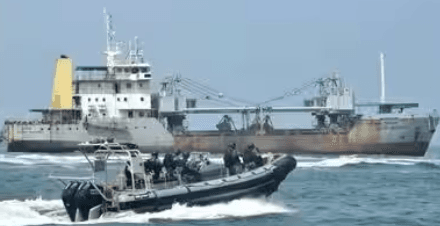
- Simulated Asymmetric Threats: Tests responses to maritime infiltration, vessel hijacking, offshore installation attacks and sabotage of ports and nuclear facilities, strengthening coastal defence readiness.
- Fisherfolk Participation: Engages coastal fishing communities as intelligence partners, testing suspicious-activity reporting, biometric identity verification and vessel transponder tracking systems.
- Integration with TROPEX: Connects coastal defence exercises with blue-water naval operations, strengthening India’s preparedness against threats from nearshore waters to the high seas.
Significance:
- Enhances joint command, intelligence sharing and operational coordination among naval forces, coastal police and port authorities during maritime emergencies.
- Safeguards offshore energy installations, ports, subsea cables and Sea Lanes of Communication (SLOCs), strengthening economic security and maritime sovereignty.