Prelims
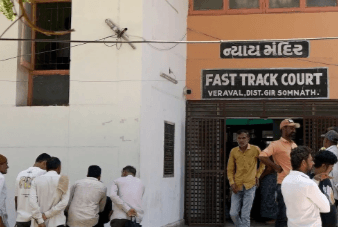
Fast Track Special Courts (FTSCs)
Context: The Union Cabinet approved the continuation of the Centrally Sponsored Scheme (CSS) for Fast Track Special Courts (FTSCs), including exclusive POCSO Courts, for a five-year period from April 1, 2026, to March 31, 2031.

About Fast Track Special Courts (FTSCs):
What a Fast-Track Court is?
- A Fast-Track Court (FTC) is a dedicated judicial forum set up to clear case backlogs and deliver speedy justice within strict timelines. Unlike general FTCs (originally introduced under the 11th Finance Commission for diverse pending matters), Fast Track Special Courts (FTSCs) are specialized courts established under a Centrally Sponsored Scheme to handle exclusively cases of rape under the Indian Penal Code / Bharatiya Nyaya Sanhita and child sexual abuse under the Protection of Children from Sexual Offences (POCSO) Act, 2012.
Background:
- Statutory Mandate: Formulated in pursuance of the Criminal Law (Amendment) Act, 2018, which mandated stringent, time-bound trials (completion within two months) for rape and aggravated sexual assault.
- Judicial Directive: Established in direct compliance with the Supreme Court’s order dated July 25, 2019, which directed the setting up of exclusive special courts in every district with more than 100 pending POCSO cases.
- Launch & Trajectory: Formally launched on October 2, 2019, by the Department of Justice (Ministry of Law and Justice). Since inception, 779 functional FTSCs (including 399 exclusive POCSO courts) across 29 States/UTs have disposed of over 4,02,457 cases.
Aim: To provide a deterrence mechanism against heinous sexual crimes, reduce judicial pendency, and ensure expeditious, victim-centric, and child-friendly delivery of justice for women and child survivors of sexual violence.
Members & Staffing Composition (Per FTSC Unit):
- Judicial Officer: One dedicated senior judicial officer (Sessions Judge / Additional Sessions Judge level) working exclusively on rape and POCSO matters.
- Prosecution Arm: One specialized Special Public Prosecutor (SPP) exclusively assigned to the court to prevent trial adjournments.
- Support Staff: Six court staff members allocated to manage registry and procedural workflows.
Key Functions of FTSCs:
- Exclusive Trial Jurisdiction: Adjudicates solely on offenses of rape and cases booked under the POCSO Act, 2012, operating outside standard district court rosters to maintain uninterrupted, daily trial proceedings.
- Strict Disposal Targets: Works toward targeted clearance quotas—aiming to resolve 41–42 cases per quarter and at least 165 cases annually per court—to avoid protracted litigation.
- Child-Friendly Court Environments: Promotes the establishment of Vulnerable Witness Deposition Centres (VWDCs) and in-camera trial facilities so minor victims can testify in a secure setting without confronting the accused.
- Centralized Digital Monitoring: Tracks court-level pendency, trial progression, and disposal velocities in real-time through the dedicated FTSC Online Dashboard managed by the Department of Justice in coordination with High Courts.
- Institutional Victim Support: Integrates procedural assistance, psychological counseling, and legal aid while assessing and disbursing interim/final victim compensation orders under statutory schemes.
Significance:
- Upholds Article 21’s right to speedy trial and Article 39A’s equal access to justice, particularly for vulnerable groups.
- Eases the burden on regular courts through faster disposal of sexual offence cases, reducing delays and victims’ secondary trauma.