
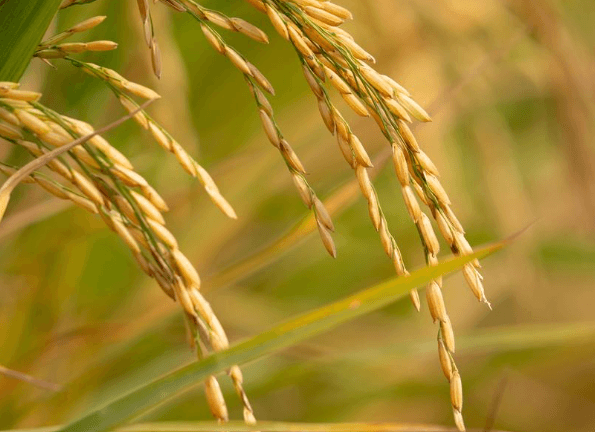
Genetic Innovations in Indian Agriculture
Context: Former Principal Scientific Adviser highlighted the role of new genetic tools—such as CRISPR gene-editing and apomixis—in safeguarding India’s staple crops against climate stress.

About Genetic Innovations in Indian Agriculture:
What It Is?
- The deployment of modern molecular biology tools—primarily CRISPR-Cas genome editing (SDN-1 and SDN-2 categories) and emerging technologies like synthetic apomixis (asexual seed propagation)—to precisely alter native plant genomes.
Key Data / Stats on Indian Staples & Seeds
- Caloric and Spatial Dominance: Rice and wheat occupy more than 50% of India’s total farmland and supply the majority of daily calories consumed across the nation.
- Public vs. Private Wheat Market: Public institutions supply 95% of certified wheat seeds in India, while private sector participation, though expanding at ~8% annually, stands at around 5%.
- Hybrid Rice Distribution: Private seed companies dominate commercial hybrid rice, whereas public research institutes primarily cater to marginal and smallholder farmers.
- Seed System Multiplier Network: Anchored by the National Seeds Corporation (NSC) (established in 1963) and State Agricultural Universities (SAUs), which produce breeder seeds that are amplified by public and private partners into certified foundation seeds.
Indian Achievements in Genetic Engineering & Editing:
- First Commercial Genome-Edited Rice Approval: India became the first country globally to approve and distribute field-grown CRISPR-edited rice lines to farmers.
- Development of DRR Dhan-100 (Kamala): Developed by ICAR researchers targeting the cytokinin-degrading enzyme gene, allowing cytokinin accumulation to boost spikelet numbers; it matures in 130 days (20 days earlier than the baseline), yields ~20% more grain (5.4 t/ha), and cuts water use and labor costs.
- Development of Pusa DST Rice-1: Engineered by ICAR-IARI by knocking out a specific stretch of the OsDST (Drought and Salt Tolerance) gene, reducing leaf stomata count and delivering 10%–30% higher yields in saline and alkaline soils.
- Clean Molecular Footprint: Both DRR Dhan-100 and Pusa DST Rice-1 are non-transgenic, meaning gene-editing machinery (Cas9/gRNA) was completely bred out of the final commercial seed lines, matching traits achievable through natural mutation.
- Release of Multi-Crop Climate Resilient Lines: Central agricultural authorities recently notified 184 new crop varieties across 25 crops, including climate-resilient wheat strains scheduled to reach farm gates within three years.
Global Achievements in Crop Genetics:
- Breakthroughs in Synthetic Apomixis: Pioneered in rice by Venkatesan Sundaresan and Imtiyaz Khanday at UC Davis, achieving over 90% clonal seed efficiency to fix hybrid vigor across successive generations without sexual segregation.
- Commercialization of HB4 Drought-Tolerant Wheat: Developed by Argentina’s Bioceres Crop Solutions using a sunflower transcription factor gene (HaHB4); approved for commercial cultivation in Argentina, Brazil, Paraguay, and cleared by the USDA in August 2024.
- International CRISPR Wheat Consortia: Partnerships between Australian breeders and international biotech firms conducting open-field trials of CRISPR-edited wheat targeting 10% yield gains.
Importance of Genetic Innovations in Development:
- Climate Resilience and Abiotic Stress Defense: Enables staple crops to withstand environmental stresses without sacrificing output.
E.g., Pusa DST Rice-1 sustaining over 65% plant survival under coastal salinity stress where conventional lines show less than 20% survival.
- Resource Conservation and Input Efficiency: Shortens crop durations and optimizes canopy architecture to reduce reliance on fresh water, electricity, and chemical fertilizers.
E.g., DRR Dhan-100’s 20-day shorter maturity cycle reducing agricultural groundwater extraction and seasonal methane emissions from flooded paddies.
- Preserving Hybrid Vigor for Smallholders: Successful deployment of apomixis will allow farmers to harvest and replant high-yielding hybrid seeds year after year without purchasing expensive commercial stock each season.
E.g., Smallholder rice and maize cultivators retaining hybrid vigor across seed cycles without annual retail seed expenditures.
- National Food and Nutritional Security: Accelerates breeding cycles from decades to weeks, allowing scientists to respond rapidly to emerging pests, fungal blights, and shifting monsoon patterns.
E.g., Recreating decades-old wild grain-density mutations via precision CRISPR editing within weeks rather than through generational backcrossing.
Challenges Associated with Adoption:
- Brain Drain from Plant Sciences: Polarization and regulatory delays surrounding first-generation transgenic crops have steered aspiring Indian biology students away from agriculture toward biomedical research.
E.g., University botany and plant genetics departments struggling to recruit doctoral scholars compared to human cellular and computational biology labs.
- Complex Floral Biology of Wheat: Unlike rice and maize, wheat’s self-pollinating floral biology and complex hexaploid genome make commercial hybridization difficult.
E.g., Slow commercial rollout of hybrid wheat lines compared to the rapid commercialization of hybrid rice and Bt-cotton.
- Global Trade & Asymmetric Regulatory Regimes: Divergent international standards regarding whether genome-edited (SDN-1/SDN-2) crops should be regulated as GMOs complicate export channels.
E.g., Exporters facing potential non-tariff rejections in European or East Asian markets that maintain precautionary testing protocols on gene-edited grain consignments.
- Translational Lab-to-Land Bottlenecks: Bridging the gap between a successful greenhouse mutation and scaled foundation seed distribution requires multi-location agronomic trials and testing across diverse agro-climatic zones.
E.g., Promising drought-tolerant laboratory mutants failing to sustain vigor when exposed to simultaneous pest attacks and unseasonal field rains.
Way Ahead:
- Re-Invest in Foundational Plant Genetics Research: Establish national fellowships and research chairs in plant physiology, functional genomics, and host-pathogen interactions to attract young researchers back to agricultural sciences.
- Streamline Field-Trial Clearances for Non-Transgenic Traits: Maintain a predictable regulatory track that exempts SDN-1, SDN-2, and synthetic apomictic lines from cumbersome GM regulations, provided foreign DNA residues are absent.
- Democratize Intellectual Property via Public Breeding Programs: Ensure genome-edited parent lines developed by ICAR and SAUs remain freely accessible to public breeders and domestic seed firms without restrictive patent royalties.
- Fast-Track Apomixis Field Research: Allocate public funding to trial synthetic apomictic rice, maize, and sorghum lines across local agro-climatic zones, evaluating seed viability across multiple generations.
- Strengthen Public-Private Delivery Rails: Leverage the production networks of the National Seeds Corporation alongside private seed distributors to deliver validated, gene-edited foundation seeds to smallholders at affordable prices.
Conclusion:
Precision genetic tools like CRISPR and apomixis offer practical pathways to build climate-resilient staple crops without introducing foreign DNA. By developing varieties like DRR Dhan-100 and Pusa DST Rice-1, India’s public agricultural institutes have shown that domestic research can solve complex farm-level challenges. Sustaining this momentum requires expanding public investments in fundamental plant biology and streamlining field delivery, ensuring technological innovations support national food security and smallholder welfare.
The question of whether India should allow commercial production of GM crops has been one of the more enduring public policy debates over the last decade-and-a-half. In your opinion, how should promoters of GM foods convince general public and those who are opposing GM crops? Discuss.