Lok Sabha Expansion and Delimitation
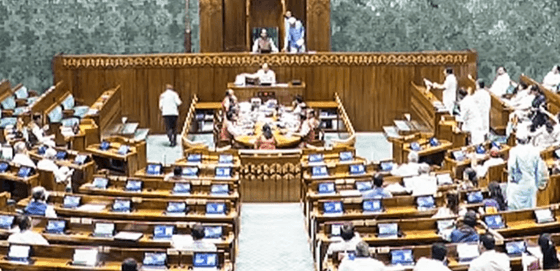
Context: The Union Cabinet cleared a fresh delimitation-linked Women’s Reservation Bill, proposing a uniform 50% increase in Lok Sabha seats and freezing States’ relative seat shares until 2051 to facilitate women’s reservation by 2029.
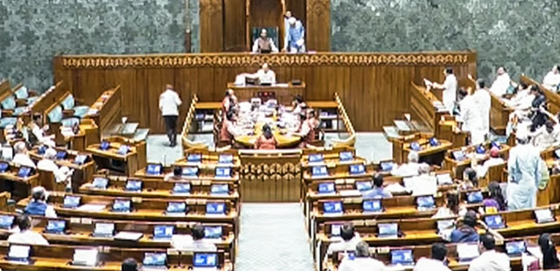
About Lok Sabha Expansion and Delimitation:
What It Is?
- Delimitation is the constitutional exercise of redrawing the boundaries of Lok Sabha and State Legislative Assembly constituencies—and reallocating seats—to reflect demographic changes, governed under Articles 81, 82, and 170 of the Constitution by an independent Delimitation Commission.
Key Data and Demographic Disparities:
- Global Representation Gap: Each Lok Sabha MP represents approximately 27 lakh citizens, among the highest globally. A 50% expansion would reduce this burden to around 18 lakh citizens.
- Inter-State Disparities: According to Census 2011 figures cited, MPs in Bihar and Uttar Pradesh represent around 26 lakh and 25 lakh people, compared to 16.7 lakh in Kerala.
- Seat Cushion for Women’s Quota: Expanding the Lok Sabha from 543 to approximately 815 seats would retain around 543 unreserved seats after implementing 33% women’s reservation.
Arguments in Favour of Expansion and Delimitation:
- Democratic Accountability and Accessibility: Smaller constituencies would reduce MPs’ representational burden, improve engagement with citizens and enable more effective articulation of local developmental concerns.
- Facilitating Women’s Reservation: A 50% seat expansion would minimise the displacement of existing male incumbents, reducing political resistance to implementing women’s reservation by 2029.
- Preserving Federal Balance: Uniform seat expansion and freezing inter-State seat shares until 2051 would protect southern States from losing their relative parliamentary representation.
- Timely Representation Reforms: Using existing Census data could expedite constituency rationalisation and women’s reservation without waiting for fresh demographic enumeration and subsequent data processing.
Arguments Against the Current Proposal:
- Persistent Representational Inequality: Uniform expansion retains existing population-to-seat disparities between States, undermining the principle of “One Person, One Vote” despite increasing overall parliamentary representation.
- Risk of Gerrymandering: Opposition parties fear that politically motivated constituency redrawing, citing controversies in Jammu and Kashmir and Assam, could manipulate electoral demographics ahead of 2029.
- Outdated Demographic Baseline: Reliance on Census 2011 data overlooks subsequent population growth, urbanisation and migration, potentially creating constituencies that inadequately reflect contemporary demographic realities.
- Unnecessary Linkage with Women’s Reservation: Critics advocate implementing women’s reservation within the existing 543-seat House through necessary constitutional changes, while regional parties demand sub-quotas for OBC and Muslim women.
Way Ahead:
- Transparent and Non-Partisan Delimitation: Adopt objective, publicly verifiable boundary-drawing criteria under an independent Delimitation Commission, supported by stakeholder consultations to minimise political manipulation.
- Balancing Democratic Equality and Federalism: Future seat redistribution should balance population-based representation with demographic achievements, while strengthening the Rajya Sabha’s role in protecting smaller States’ interests.
- Updated Demographic Data: Expedite Census enumeration and data processing to ensure constituency boundaries accurately reflect contemporary population distribution, urbanisation and migration patterns.
- Inclusive Political Consensus: Build bipartisan agreement on intersectional representation, address concerns regarding disadvantaged women and prevent administrative delays from undermining constitutional commitments to gender equality.
Conclusion:
Lok Sabha expansion must reconcile democratic equality, women’s political empowerment and cooperative federalism. Transparent delimitation, updated demographic data and broad political consensus are essential to ensuring equitable representation without compromising federal stability.
Critically examine why the need for reservation for women in the legislature is said to be an urgent requirement in India