CME
Traditional Surangam Water Harvesting System of Kerala
Context: Eight grama panchayats in Kerala’s Kasaragod district are preparing to restore traditional Surangam underground water tunnels to strengthen groundwater conservation, rainwater harvesting and drought resilience.
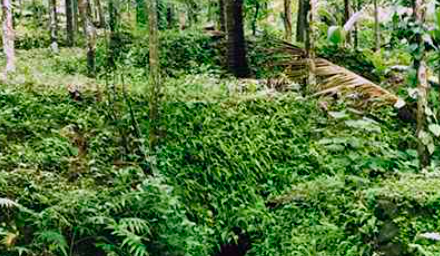
About Traditional Surangam of Kerala:
What It Is?
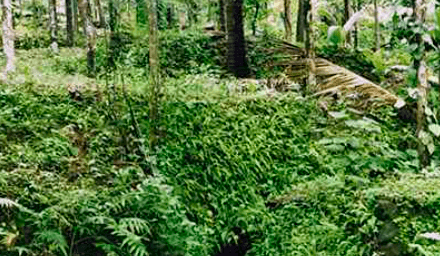
- Surangam is an indigenous underground water-harvesting system prevalent in Kasaragod district, Kerala, consisting of horizontal tunnels excavated into laterite hills to collect naturally seeping groundwater.
Aim: To ensure sustainable water availability, particularly during dry seasons, by harnessing naturally recharged groundwater through traditional, low-cost and gravity-based water collection methods.
Key Features:
- Horizontal Underground Tunnels: Surangams are narrow, horizontal tunnels excavated into laterite hills, intercepting groundwater seepage and directing it towards collection points without mechanical pumping.
- Gravity-Based Water Collection: Water naturally flows through gently sloping underground passages, enabling continuous collection without electricity, pumps or complex water extraction infrastructure.
- Monsoon Recharge and Summer Supply: Rainwater infiltrates laterite formations during monsoons, replenishing underground water reserves that subsequently feed surangams during the dry summer months.
- Traditional Indigenous Engineering: Developed using local geological knowledge and manual excavation techniques, surangams represent a low-cost, environmentally compatible alternative to conventional groundwater extraction systems.
Significance:
- Supports sustainable groundwater utilisation and seasonal water security, particularly in laterite-dominated regions experiencing declining rainfall and prolonged dry spells.
- Revives traditional ecological knowledge and community-managed water systems, low-energy approaches to sustainable water resource management.
- Integrates rural employment generation with water conservation, supporting local livelihoods while improving groundwater management and potentially sustaining river baseflows.
Relevance for UPSC Civil Services Examination:
- GS Paper I: Traditional water management systems and geographical characteristics of laterite regions.
- GS Paper II: Decentralised governance, Gram Panchayats and rural development programmes.
- GS Paper III: Groundwater conservation, sustainable water management, climate adaptation and drought mitigation.
- GS Paper IV: Community participation, environmental stewardship and intergenerational responsibility.