Prelims
UNESCO Memory of the World Register: Rajatarangini, Mahabharata and Arthashastra Recognised
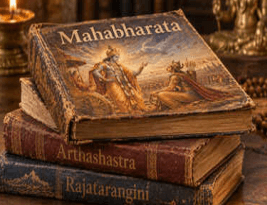
Context: Three seminal texts of Indian civilization, Kalhana’s Rajatarangini, the Mahabharata, and Kautilya’s Arthashastra, were inscribed into UNESCO’s Memory of the World Regional Register for Asia and the Pacific at the 11th MOWCAP session in Jakarta, Indonesia.

About The UNESCO Memory of the World (MoW) Programme:
What it is?
- An international programmatic initiative established by UNESCO in 1992 to protect, preserve, and provide universal access to the world’s documentary heritage—including manuscripts, archives, oral recordings, and rare texts—which face risks from neglect, decay, conflict, and destruction.
Aim: To preserve documentary heritage of global and regional importance, ensure public access and promote awareness of its cultural and historical significance.
Key Features of the Programme:
- Three-Tier Register System: Maintains International, Regional and National Registers to recognise and preserve documentary heritage based on its global, regional or national significance.
- Strict Evaluation Criteria: Expert committees assess nominations based on authenticity, historical significance, rarity, cultural influence and preservation status before recommending their inclusion.
- Preservation and Digitisation: Promotes conservation techniques, microfilming and digital archives to protect fragile manuscripts and historical documents from deterioration and ensure wider accessibility.
- Protection of Cultural Heritage: Strengthens international recognition of historical documents and literary traditions, helping prevent cultural loss and preserve knowledge for future generations.
About the Works Recognised:
- Kalhana’s Rajatarangini (The River of Kings)
- Author and Period: Written in Sanskrit by Kalhana around 1148–1150 CE, during the reign of King Jayasimha of Kashmir.
- History of Kashmir: Chronicles Kashmir’s rulers, dynasties, political events and administrative changes across eight books called Tarangas.
- Historical Approach: Kalhana consulted earlier chronicles, royal grants, inscriptions and coins, making the work an important example of early Indian historical writing.
- Social and Political Insights: Describes feudal revolts, famines, taxation, temple patronage and religious traditions, offering insights into medieval Kashmir’s society and governance.
- The Mahabharata:
- Author and Evolution: Traditionally attributed to Sage Vyasa, it evolved from Jaya (8,800 verses) to Bharata (24,000 verses) and the larger Mahabharata.
- Cultural and Ethical Epic: Narrates the Kurukshetra war between the Pandavas and Kauravas, exploring Dharma, Artha, Kama and Moksha.
- Bhagavad Gita: Contains the 700-verse Bhagavad Gita in Bhishma Parva, explaining selfless action (Nishkama Karma), knowledge (Jnana) and devotion (Bhakti).
- Cultural Influence: Inspired regional retellings, oral traditions and performing arts such as Yakshagana, Kathakali and Wayang across South and Southeast Asia.
- Kautilya’s Arthashastra:
- Author and Rediscovery: Traditionally attributed to Kautilya (Chanakya/Vishnugupta), associated with Chandragupta Maurya; rediscovered by R. Shamasastry in 1905 and published in 1909.
- Statecraft and Governance: Comprises 15 books covering administration, taxation, economic regulation, treasury management, law and governance.
- Saptanga Theory: Identifies seven elements of the state: Swami (ruler), Amatya (ministers), Janapada (territory and people), Durga (fort), Kosa (treasury), Danda (army) and Mitra (allies).
- Diplomacy and Foreign Policy: Explains the Mandala Theory, sixfold foreign policy (Shadgunya) and four diplomatic methods: Sama, Dana, Bheda and Danda.