Prelims
Valsad Hapus Mango
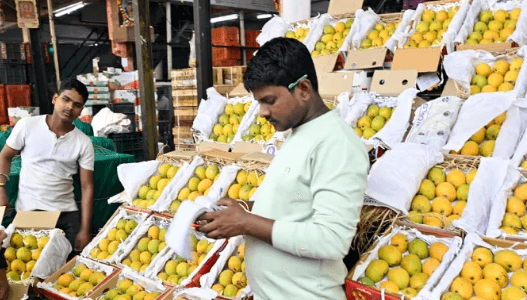
Context: The Geographical Indications Registry reserved its verdict on the proposed GI tag for ‘Valsad Hapus’, following a dispute between Maharashtra’s Konkan and Gujarat’s Valsad mango growers.
About Valsad Hapus Mango:
What it is?
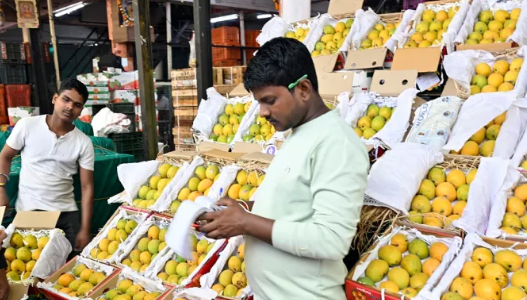
- A locally cultivated variety of the Alphonso mango (locally called Valsadi Hapus or Hafus) grown in southern Gujarat, for which the Bharatiya Kisan Sangh (Gandhinagar) and Navsari Agricultural University filed a separate Geographical Indication (GI) application on February 13, 2023.
Region: Cultivated primarily in Valsad and neighbouring Navsari districts along the coastal belt of South Gujarat, adjoining the northern foothills of the Sahyadri range.
Background of the GI Dispute:
- Konkan’s Existing GI Tag (2018): Alphonso (Hapus) mangoes from five Maharashtra districts—Ratnagiri, Sindhudurg, Raigad, Thane and Palghar—received the GI tag in October 2018 after a decade-long effort by growers.
- Gujarat’s Counter-Claim (2023–2026): Valsad growers seek a separate GI tag, citing shared coastal Sahyadri agro-climatic conditions and centuries-old Alphonso cultivation traditions to establish a distinct regional identity.
Key Features of Valsad Hapus:
- Late-Harvest Window: Peak harvesting begins around the third week of May, when the Konkan Alphonso season declines, creating a distinct marketing window for Gujarat’s produce.
- Distinctive Sensory Profile: Characterised by a balanced sweet-tart flavour, strong floral-fruity aroma, fibre-free golden-yellow pulp and a distinctive oval-oblique shape.
- Unique Agro-Climatic Conditions: Thrives in South Gujarat’s coastal humidity, sea breeze and fertile alluvial and medium-black soils, unlike Konkan’s rocky red lateritic soils.
- Commercial and Export Potential: A major horticultural cash crop alongside Valsad Kesar, commanding premium prices in domestic urban markets and international markets, particularly Gulf countries.
Associated GI Laws:
- Geographical Indications of Goods (Registration and Protection) Act, 1999: Protects products whose qualities or reputation are linked to their geographical origin. Administered by the GI Registry, Chennai, registrations remain valid for 10 years and are renewable.
- Prevention of Deceptive Indications (Sections 9 and 22): Section 9 prohibits registration of misleading or confusing GIs, while Section 22 protects registered GIs against misleading commercial use and infringement.
- Homonymous Geographical Indications (Section 10): Permits identical or similar geographical indications from different regions, provided clear differentiation ensures equitable treatment of producers and prevents consumer confusion.