CME
Aakanksha – Rural Skilling & Innovation Centre (RSIC)
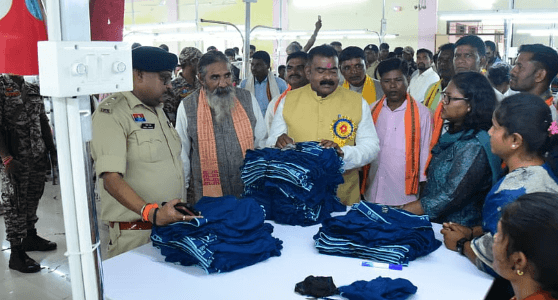
Context: NITI Aayog praised the Aakanksha – Rural Skilling & Innovation Centre (RSIC) in Kondagaon, Chhattisgarh, for creating formal employment for 102 local residents, including 96 women, primarily from tribal communities.

About Aakanksha – Rural Skilling & Innovation Centre (RSIC):
What it is?
- A NITI Aayog-supported rural skill development and garment manufacturing initiative in Kondagaon, Chhattisgarh, providing formal employment and sustainable livelihoods to tribal women.
Aim: To empower tribal and rural women through industry-oriented skills, regular employment and market access, reducing distress migration and promoting economic self-reliance.
Key Features:
- Women-Led Employment: Provides 102 formal jobs, including 96 for women, predominantly from tribal communities, with plans to create over 300 direct employment opportunities.
- Skill Development & Training: Offers garment manufacturing and professional workplace training, helping rural women transition from irregular agricultural labour to skilled manufacturing jobs.
- Industry & Market Linkages: Connects trained workers with commercial brands and government departments, enabling production of uniforms and garments through bulk orders.
- Regular Income & Incentives: Provides monthly wages and performance-based incentives, improving financial stability and reducing dependence on seasonal employment and distress migration.
- Aspirational District Development: Operates in Kondagaon, a NITI Aayog Aspirational District, demonstrating how targeted skilling and local industries can support tribal livelihoods.
Significance:
- Strengthens economic independence, workplace participation and dignity among tribal women by creating sustainable employment opportunities near their homes.
- Promotes rural self-reliance and alternative livelihoods in a Maoist-affected region, supporting economic inclusion and long-term social stability.
Relevance for UPSC Examination:
- GS Paper II: Welfare of vulnerable sections, tribal empowerment, government interventions and inclusive development.
- GS Paper III: Employment generation, skill development, rural industrialisation, inclusive growth and Left-Wing Extremism.
- GS Paper I: Role of women in society, women’s empowerment and rural social transformation.