CME
Wayanad to Become India's First E-Waste-Free Model District
Context: Wayanad, Kerala, is set to become India’s first e-waste-free model district on November 27, following a month-long campaign that collected 97.26 metric tonnes of electronic waste.

About Wayanad’s E-Waste-Free Model District Initiative:
What it is?
- A district-wide electronic waste collection and management initiative coordinated by Suchitwa Mission and Clean Kerala Company, involving local self-government institutions and Haritha Karma Sena.
How it Works?
- Haritha Karma Sena collects discarded electronic items from households through a coordinated district-wide collection drive.
- Clean Kerala Company directly collects e-waste from government offices, schools and other public institutions.
- The district’s 26 local self-government institutions facilitate collection, community participation and coordination with waste-management agencies.
Key Features:
- First-of-Its-Kind Initiative: Wayanad is set to become India’s first e-waste-free model district, extending achievements previously reported at the village level.
- Large-Scale Waste Collection: Collected 97.26 metric tonnes of e-waste, including 38.46 tonnes through local institutions and 58.8 tonnes from government offices and schools.
- Community-Based Implementation: Mobilises Haritha Karma Sena, local bodies, Suchitwa Mission and Clean Kerala Company for coordinated household and institutional waste collection.
- Institutional Recognition: Participating local bodies and Haritha Karma Sena members will be honoured for their contributions to the district-wide campaign.
Significance:
- Demonstrates how decentralised collection and institutional coordination can improve e-waste management and reduce improper disposal.
- Offers other districts a potential model for community participation, local government coordination and organised electronic waste collection.
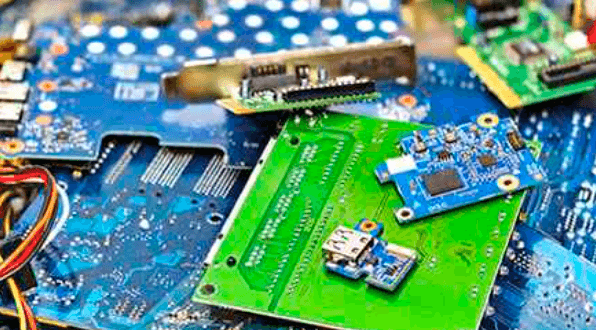
- Supports safer e-waste handling, helping reduce risks associated with toxic electronic components and improper waste disposal.
Relevance for UPSC Examination
- GS Paper II: Local self-government institutions, decentralised governance and community participation.
- GS Paper III: Environmental pollution, waste management, sustainable development and circular economy.
- GS Paper IV: Environmental responsibility, civic participation and collective action.