Prelims
Collagen Supplements
Context: A recent study published in the identified significant methodological and statistical flaws in research supporting collagen supplements, questioning their effectiveness in improving skin elasticity, hydration and reducing ageing.

About Collagen Supplements:
What it is?
- Collagen supplements are dietary supplements containing processed collagen proteins, marketed to improve skin elasticity, hydration and firmness and reduce visible signs of ageing.
Key Ingredients:
- Hydrolysed Collagen: Collagen extracted from fish, cattle or pigs and broken down into smaller, easily digestible peptides.
- Collagen Peptides: Short chains of amino acids that may influence fibroblast activity and collagen production.
- Amino Acids: Collagen is rich in glycine, proline and hydroxyproline, which are important structural components of connective tissues.
Key Features:
- Structural Protein Supplementation: Provides building blocks of collagen, a major structural protein responsible for skin strength, elasticity and tissue support.
- Hydrolysed Formulation: Contains smaller peptides that undergo digestion, with some collagen-derived peptides entering the bloodstream.
- Potential Fibroblast Stimulation: Laboratory studies suggest that certain collagen peptides may influence fibroblasts, the cells responsible for collagen production.
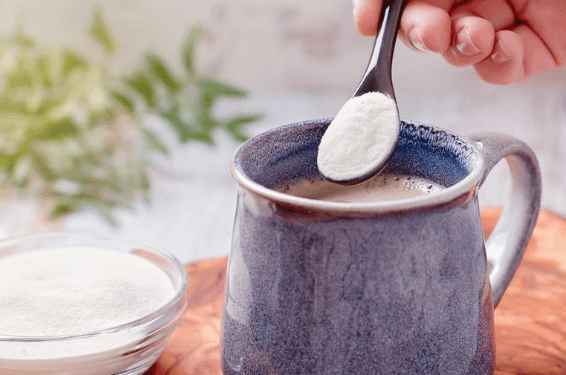
- Multiple Consumption Formats: Available as powders, capsules and collagen-infused beverages, primarily marketed for skin health and anti-ageing benefits.
Limitations:
- Methodological errors, statistical inconsistencies and inappropriate data aggregation undermine studies claiming significant improvements in skin hydration and elasticity.
- A 2025 meta-analysis of 23 trials involving 1,474 participants found that reported benefits became statistically insignificant in independently funded or higher-quality studies.
- Most trials last only 8–12 weeks, with insufficient evidence that short-term improvements in skin measurements meaningfully slow or reverse biological skin ageing.