Prelims
Kaiga Nuclear Power
Context: Kaiga Generating Station Unit-1 (KGS-1) in Karnataka successfully attained second criticality, receiving a major operational life extension after 25 years of service.

About Kaiga Nuclear Power:
What it is?
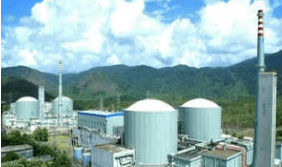
- A major indigenous nuclear power complex operated by the Nuclear Power Corporation of India Limited (NPCIL), currently comprising four operational 220 MWe Pressurised Heavy Water Reactors (PHWRs) (totalling 880 MWe) alongside two indigenous 700 MWe PHWR units (KGS-5 & 6) under construction—which will expand total capacity to 2,280 MWe.
Located in: Situated along the Kali River near Kadra Dam in Uttara Kannada, Karnataka, within the ecologically sensitive Western Ghats.
History:
- Commencement & Early Units: Construction began in 1989, with Unit-2 commencing commercial operations in March 2000, followed by Unit-1 in November 2000.
- Capacity Expansion: Units 3 and 4 became operational in 2007 and 2011, raising capacity to 880 MWe, with Units 5 and 6 planned to add 1,400 MWe.
- Life-Extension Refurbishment: KGS-1, shut down in April 2025 after 25 years, achieved second criticality on November 22, 2026, following a 600-day refurbishment.
Key Features of Kaiga Nuclear Power Plant:
- World Record for Continuous Operation: KGS-1 operated uninterrupted for 962 days until December 2018, surpassing the previous 940-day record and demonstrating high operational reliability.
- 600-Day Life-Extension Refurbishment: Completed En-Masse Coolant Channel Replacement (EMCCR) and En-Masse Feeder Replacement (EMFR) in 600 days, extending the reactor’s operational life by 25–30 years.
- Indigenous PHWR Technology: Uses India’s Pressurised Heavy Water Reactor (PHWR) technology, employing natural uranium fuel and heavy water as moderator and coolant, supporting indigenous nuclear capabilities.
- Advanced 700 MWe Expansion: Upcoming Units 5 and 6 feature double containment and Passive Decay Heat Removal Systems, enhancing reactor safety during power failures.
- Environmentally Sensitive Operations: Operates within the Western Ghats under ISO 14001 environmental management standards, incorporating radiological monitoring and controlled cooling-water systems.
Significance:
- Supplies reliable low-carbon baseload electricity to southern states, supporting grid stability and complementing intermittent solar and wind energy.
- Demonstrates NPCIL’s reactor refurbishment and expansion capabilities, supporting India’s target of achieving 100 GWe nuclear capacity by 2047.