Prelims
India’s First Chief Justices of India Museum
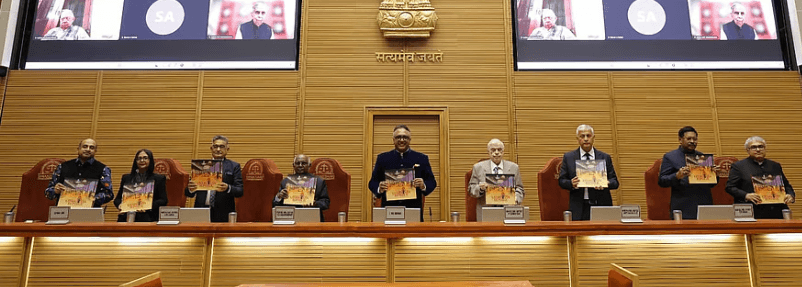
Context: India’s first museum dedicated to Chief Justices of India (CJIs) was inaugurated at O.P. Jindal Global University, Sonipat, by 10 former CJIs on the eve of Constitution Day.

About India’s First Chief Justices of India Museum:
What it is?
- India’s first dedicated judicial history museum, envisioned as “Guardians of the Republic”, showcasing the lives and contributions of Chief Justices alongside the evolution of constitutional jurisprudence.
Located in: O.P. Jindal Global University (JGU), Sonipat, Haryana, complementing the university’s existing Constitution Museum.
Aim: To preserve judicial heritage, promote constitutional literacy and public understanding of the rule of law, and inspire future legal practitioners and researchers.
Key Features of the Museum:
- Five Thematic Galleries: Comprises Pathways of Justice, Pillars of Justice, Hall of Constitutional Voices, Keystones of Justice and Ideas of Justice, showcasing India’s judicial evolution.
- Interactive Biographical and Federal Displays: Features 20 interactive biographical pillars, 22 regional handloom tapestries representing Eighth Schedule languages, and architectural models of the Supreme Court and 25 High Courts.
- Holographic Courtroom and Landmark Judgments: Showcases 20 landmark constitutional judgments, including the Basic Structure doctrine and PIL evolution, through immersive installations and a holographic courtroom.
- Sculptures and Oral History Archives: Houses over 280 busts of Supreme Court judges, symbolic sculptures and oral history recordings of 11 constitutional figures and former judges.
Significance:
- Makes complex constitutional jurisprudence and 76 years of Supreme Court history accessible to citizens through interactive and immersive exhibits.
- Documents the contributions of judicial leaders, preserves institutional memory and reinforces public awareness of judicial independence, integrity and constitutional governance.