Prelims
T151st Birth Anniversary of Bhagwan Birsa Munda
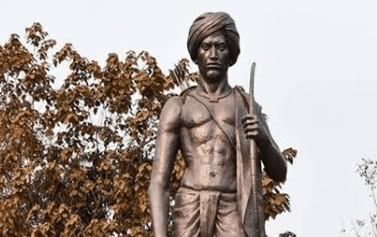
Context: The National Tribal Pride March was ceremonially flagged off today from Ulihatu, in Khunti district of Jharkhand, the birthplace of Bhagwan Birsa Munda, to mark his 151st birth anniversary and Janjatiya Gaurav Diwas.

About 151st Birth Anniversary of Bhagwan Birsa Munda:
Who he was?
- A legendary Indian tribal freedom fighter, religious reformer, and folk hero belonging to the Munda tribe, reverently honoured by his followers as ‘Bhagwan’ (God) and ‘Dharti Aaba’ (Father of the Earth) for leading a mass anti-colonial and agrarian uprising in late 19th-century India.
Background:
- Birth and Early Life: Born on 15 November 1875 in Ulihatu village, present-day Khunti district, Jharkhand, to Sugana Munda and Karmi Hatu, a poor sharecropper family.
- Education and Religious Influence: Studied at a German Mission school in Chaibasa and briefly adopted Christianity as Birsa David/Daud, but later rejected missionary influence and colonial oppression.
- Founding of Birsait Faith: Influenced by Vaishnavite teachings and indigenous traditions, he founded the Birsait faith, advocating worship of Singbonga, rejection of alcoholism and superstition, and revival of tribal identity.
Region of Influence: Primarily active across the Chhotanagpur Plateau, particularly Ranchi, Khunti, Chaibasa and Singhbhum in present-day Jharkhand.
The Munda Rebellion (Ulgulan, 1899–1900):
- Root Causes: British disruption of the traditional Khuntkatti landownership system, exploitation by Dikus and Thikadars, excessive rents, forced labour (beth begari) and restrictive forest laws.
- Course of the Uprising: Following imprisonment during 1895–1897, Birsa mobilised tribal communities for Ulgulan (The Great Tumult), demanding an end to British rule and restoration of indigenous self-governance.
- Guerrilla Resistance: Beginning in December 1899, Munda, Oraon and Kharia warriors attacked colonial establishments, with major confrontations around Khunti and Dombari Hill in January 1900.
Contribution to the Freedom Movement:
- Organised Tribal Resistance: United Adivasi communities across Chhotanagpur against British colonial rule, economic exploitation and cultural domination, strengthening indigenous political consciousness.
- Land and Agrarian Reforms: The rebellion contributed to the Chotanagpur Tenancy Act, 1908, which protected tribal land rights, recognised traditional Khuntkatti tenure and addressed exploitative agrarian practices.
Last Days:
- Arrest: Captured by British forces in the Jamkopai forest, Singhbhum, on 3 February 1900, following the suppression of the rebellion.
- Death: Died in Ranchi Central Jail on 9 June 1900, aged 24. British authorities attributed his death to cholera, although suspicions of custodial mistreatment persisted.