Prelims
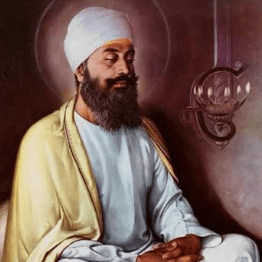
Guru Tegh Bahadur Ji
Context: The Ministry of Culture organised the closing ceremony of the year-long observance of the 350th Shaheedi Diwas of Guru Tegh Bahadur Ji in New Delhi, commemorating his martyrdom for religious freedom and freedom of conscience.

About Guru Tegh Bahadur Ji:
Who he was?
- Guru Tegh Bahadur (1621–1675) was the ninth Sikh Guru, a spiritual leader, philosopher, poet and warrior who championed religious freedom, human dignity and universal brotherhood.
- Popularly known as Hind Di Chadar (Shield of India), he sacrificed his life defending the religious freedom of others.
Early Life:
- Birth: Born on April 1, 1621, in Amritsar, Punjab, to Guru Hargobind Sahib, the sixth Sikh Guru, and Mata Nanaki.
- Original Name: Originally named Tyag Mal, he earned the title Tegh Bahadur (brave swordsman) for his courage in battle.
- Education and Training: Received training in Sikh scriptures, philosophy, meditation, horse riding, archery and swordsmanship.
- Spiritual Journey: Spent several years in meditation at Bakala before becoming the ninth Sikh Guru in 1664, succeeding Guru Har Krishan.
Historical Contributions to Sikhism and India:
- Expansion of Sikhism: Undertook extensive missionary journeys across Punjab, Bihar, Bengal and Assam, spreading the teachings of Sikhism and strengthening Sikh communities.
- Foundation of Anandpur Sahib: Founded Chak Nanaki in 1665, which subsequently developed into Anandpur Sahib, an important centre of Sikh religion and history.
- Contribution to Sikh Scriptures: Composed 115 hymns and verses incorporated into the Guru Granth Sahib, emphasising detachment, fearlessness, spiritual wisdom and devotion.
- Social Equality: Opposed caste discrimination, untouchability and superstition while promoting compassion, selfless service and equality.
- Defence of Religious Freedom: Upheld the right of every individual to practise their faith, irrespective of religious identity, establishing an enduring legacy of freedom of conscience.
Confrontation with Mughal Rule:
- Aurangzeb’s Religious Policies: Guru Tegh Bahadur opposed religious persecution and forced conversions during the reign of Mughal Emperor Aurangzeb.
- Protection of Kashmiri Pandits: According to Sikh tradition, a delegation of Kashmiri Pandits approached him at Anandpur Sahib seeking protection against forced religious conversions.
- Challenge to Religious Coercion: Offered to defend their religious freedom, declaring that they would convert only if he himself could be persuaded to abandon his faith.
- Arrest by Mughal Authorities: Was arrested along with his three companions, Bhai Mati Das, Bhai Sati Das and Bhai Dayala, for resisting religious coercion.
Last Days and Martyrdom:
- Refusal to Abandon Faith: Despite imprisonment and pressure from Mughal authorities, Guru Tegh Bahadur refused to renounce his faith or compromise his principles.
- Supreme Martyrdom (1675): Was executed on Aurangzeb’s orders at Chandni Chowk, Delhi, after remaining steadfast in his defence of religious freedom.
- Associated Gurudwaras: Gurdwara Sis Ganj Sahib marks his place of martyrdom, while Gurdwara Rakab Ganj Sahib marks the site where his body was cremated.
- Sacred Legacy: Bhai Jaita carried his severed head to Anandpur Sahib, where the final rites were performed.
- Succession: His son, Guru Gobind Singh, became the tenth Sikh Guru and subsequently founded the Khalsa in 1699.