Prelims
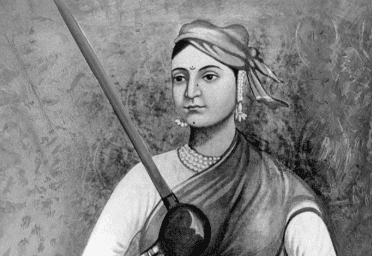
Rani Lakshmibai
Context: Prime Minister of India paid tributes to Rani Lakshmibai, the iconic Queen of Jhansi, on her 198th birth anniversary.

About Rani Lakshmibai:
Who she was?
- The legendary Maharani (Queen) of the Maratha-ruled princely state of Jhansi (present-day Uttar Pradesh) and one of the foremost military leaders and enduring symbols of resistance during the Indian Revolt of 1857.
Background & Early Life:
- Born on November 19, 1828, in Varanasi (Kashi) into a Marathi Brahmin family as Manikarnika Tambe to Moropant Tambe and Bhagirathi Sapre.
- Raised in the court of Peshwa Baji Rao II at Bithoor alongside Nana Sahib and Tatya Tope, she received an unconventional upbringing for her era—mastering horsemanship, swordsmanship, archery, and shooting.
- Married Maharaja Gangadhar Rao Newalkar, the Raja of Jhansi, in 1842 and was named Lakshmibai. Following the infant death of their biological son in 1851, the Maharaja adopted a cousin’s son, Damodar Rao, shortly before his death in November 1853.
- Governor-General Lord Dalhousie refused to recognize Damodar Rao as legal heir and annexed Jhansi in 1854 under the Doctrine of Lapse, prompting her famous defiance: “Main apni Jhansi nahin doongi” (I shall not give away my Jhansi).
Her Contributions to the Indian Freedom Movement:
- Leading Armed Resistance in Bundelkhand: During the Revolt of 1857, Rani Lakshmibai took control of Jhansi, organised an army of nearly 14,000 soldiers, strengthened fortifications and prepared weapons.
- Women’s Military Participation: Organised the Durga Dal, a women’s military unit associated with Jhalkari Bai and Mundar, inspiring the INA’s later Rani of Jhansi Regiment.
- Defence of Jhansi (1858): Fiercely resisted British forces led by Sir Hugh Rose during the March–April siege, eventually escaping Jhansi with her adopted son, Damodar Rao.
- Rebel Alliances & Capture of Gwalior: Joined forces with Tatya Tope and other rebel leaders at Kalpi and helped capture Gwalior in June 1858, strengthening the rebellion.
Last Days:
- Battle of Kotah-ki-Serai (June 1858): Rani Lakshmibai personally led her forces against Sir Hugh Rose’s British troops near Gwalior, displaying exceptional courage and military leadership.
- Martyrdom & British Tribute: Died fighting British forces on June 17–18, 1858, becoming a symbol of resistance. Even Sir Hugh Rose praised her bravery and leadership.