Ladakh Becomes India's First 100% Organic Union Territory
Context: Lieutenant Governor Vinai Kumar Saxena officially declared Ladakh as India’s first 100% organic Union Territory, marking the successful, complete transition of its agricultural lands across Leh and Kargil away from synthetic fertilizers and chemical pesticides.

About Ladakh Becomes India’s First 100% Organic Union Territory:
What it is?
- A regional environmental and agricultural milestone under which the entire cultivable land area of the Union Territory has transitioned to chemical-free, organic cultivation practices. Following Sikkim’s declaration as India’s first 100% organic state in 2016, Ladakh becomes the first Union Territory in India to achieve complete organic status.
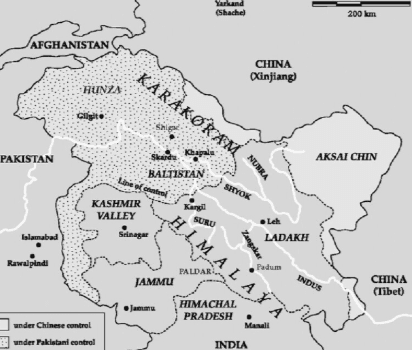
Located in: Situated in northern India across the Trans-Himalayan region, bounded by the Karakoram Range to the north and the Great Himalayas to the south, encompassing the administrative districts of Leh and Kargil.
Criteria for Declaring an Organic State/UT:
- Complete Phase-Out of Agro-Chemicals: Prohibits the use of chemical fertilizers, synthetic pesticides, fungicides and artificial soil additives, promoting chemical-free agricultural practices across cultivated lands.
- Certification and Conversion Period: Requires a 2–3-year transition to organic farming, with certification under NPOP or Participatory Guarantee System of India (PGS-India) to ensure compliance with prescribed organic standards.
- Adoption of Organic Inputs: Promotes bio-fertilizers, biological pest control, animal manure and composting to maintain soil fertility, manage pests and support sustainable crop production.
- Inter-Agency Certification: Involves accredited certification agencies and local institutions in verifying organic farming practices, conducting inspections and certifying agricultural holdings.
Aim: To protect Ladakh’s fragile Himalayan ecosystem, prevent chemical contamination, increase farmers’ incomes through organic certification and promote exports of high-value Himalayan agricultural products.
Key Features of Ladakh’s Landscape:
- Cold-Arid Agro-Climatic Conditions: Experiences short summers, freezing winters and low rainfall (around 100 mm annually), making agriculture heavily dependent on glacier-fed irrigation channels called kuhls.
- Traditional Soil Management: Farmers traditionally use animal manure, compost and crop rotation to maintain soil fertility, with relatively limited dependence on synthetic fertilizers.
- Indigenous High-Altitude Crops: Cultivates hardy crops such as hull-less barley (grim) and buckwheat, which tolerate cold temperatures and grow in Ladakh’s high-altitude agricultural conditions.
- High-Value GI-Tagged Products: Produces premium agricultural products, including Raktsey Karpo apricots and Ladakh Sea Buckthorn, which have GI recognition and strong commercial potential.
- Rich Traditional Food Culture: Features distinctive Himalayan foods such as khambir (traditional bread), skyu (dough-based stew) and kisir (buckwheat pancake), reflecting local farming and culinary traditions.
Significance:
- Reduces chemical runoff and soil contamination, protecting glacier-fed streams, Indus River tributaries and sensitive high-altitude agricultural ecosystems.
- Organic certification and GI recognition can help farmers and SHGs access premium markets, secure better prices and expand agricultural exports.